Creating a comfortable and productive home office space is essential in today’s world, where many people work remotely or spend significant time on home projects. A well-designed workspace can boost focus, reduce stress, and help you maintain a healthy work-life balance. Whether you have a dedicated room or just a corner to spare, the following tips will guide you in transforming your space into an inviting and efficient office.
Choose the Right Location
Consider Natural Light and Quiet
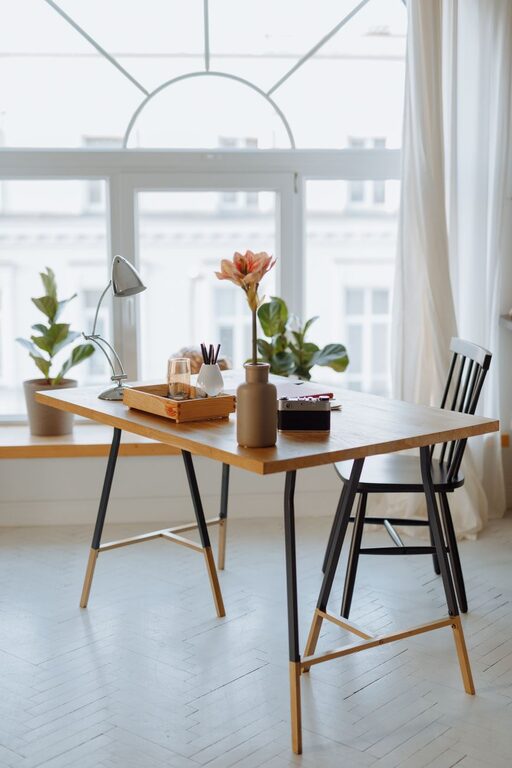
Start by picking a spot that gets plenty of natural light. Exposure to daylight not only improves mood but also helps regulate your internal clock, keeping you alert during work hours. Look for a quiet area away from household distractions, like TVs or busy hallways, to minimize interruptions.
Assess Space and Ergonomics
Ensure you have enough room for your desk, chair, and necessary equipment. It’s important to have adequate space to move comfortably and keep everything organized. Avoid cramped setups that can lead to discomfort and reduced productivity.
Invest in Ergonomic Furniture
Select a Supportive Chair
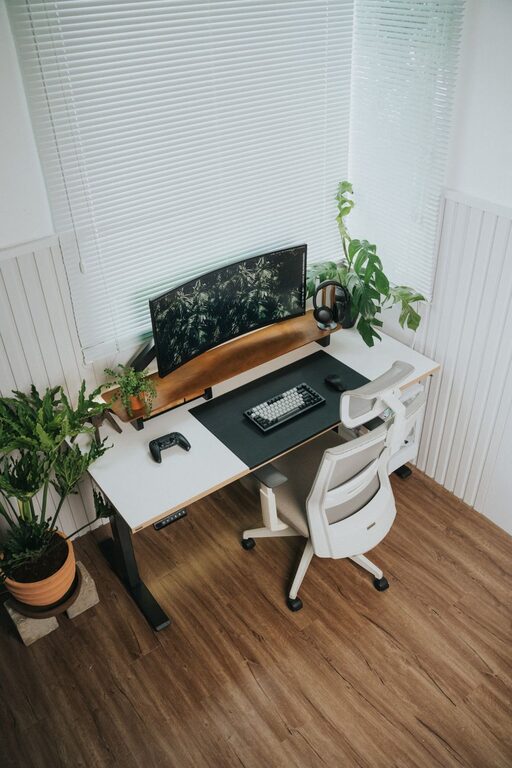
A good office chair that supports proper posture is key to preventing back and neck pain. Look for adjustable features such as seat height, lumbar support, and armrests to customize comfort throughout the day.
Opt for a Functional Desk
Your desk should fit your workflow. Whether you prefer a traditional desk, adjustable standing desk, or a compact table, make sure it provides enough surface area for your computer, paperwork, and other materials without feeling cluttered.
Organize for Efficiency
Declutter Regularly
Remove unnecessary items and keep your workstation tidy. Clutter can be distracting and hinder productivity. Use drawers, boxes, or organizers to store supplies neatly.
Use Storage Solutions
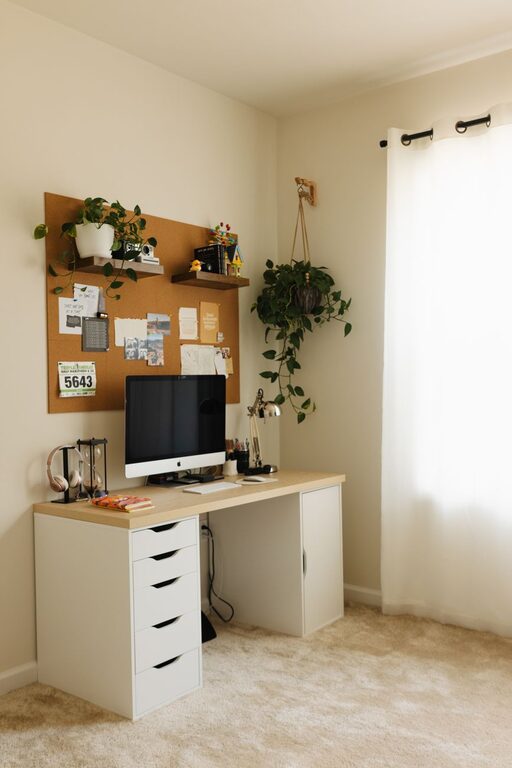
Shelves, filing cabinets, or wall-mounted organizers help maximize vertical space and keep important documents accessible. Label folders and bins to streamline your workflow.
Manage Cables and Electronics
Keep cords organized with clips, ties, or cable sleeves to avoid tangles and potential hazards. A clean electronic setup also looks more inviting.
Enhance Lighting and Ambience
Combine Natural and Artificial Light
Supplement natural light with a quality desk lamp or overhead lighting that reduces glare and eye strain. Adjustable task lighting is especially helpful for detailed work.
Choose Calming Colors
Paint your office walls in soothing colors like soft blues, greens, or neutrals. These tones promote focus and reduce stress.
Add Personal Touches
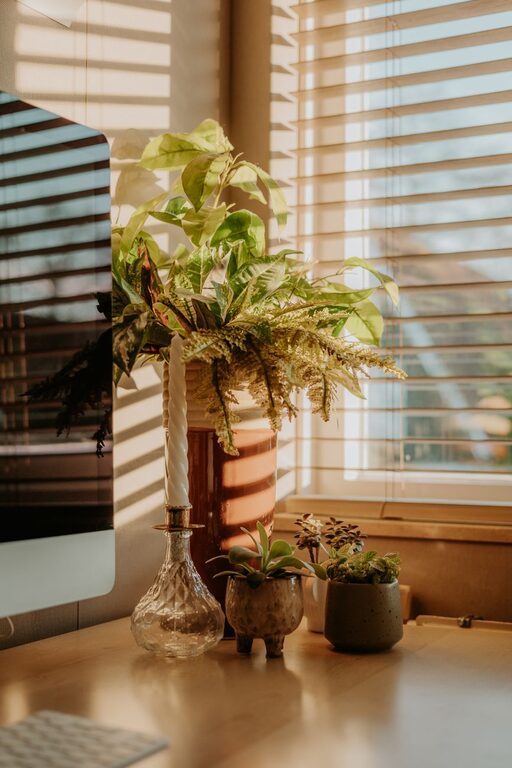
Incorporate artwork, plants, or meaningful items to create an environment that feels comfortable and inspiring.
Improve Air Quality and Comfort
Ventilate Well
Good air circulation keeps the space fresh and can prevent fatigue. Open windows when possible, or use an air purifier to reduce indoor pollutants.
Control Temperature
Maintain a comfortable temperature using fans or heaters as needed to avoid distractions caused by being too hot or cold.
Set Boundaries and Routine
Define Work Hours
Establish clear start and end times for your workday to help separate professional time from personal life. Communicate these boundaries to household members.
Create a Pre-Work Ritual
Develop a routine that signals the beginning of your workday, such as making a cup of coffee or organizing your desk. This habit prepares your mind for productivity.
Take Breaks and Move
Schedule short breaks to stretch, rest your eyes, and hydrate. Moving regularly helps maintain energy and focus.
Utilize Technology Wisely
Choose Reliable Equipment
Invest in dependable hardware like a computer, printer, and high-speed internet connection. Technical issues can disrupt workflow and increase frustration.
Use Productivity Tools
Leverage apps and software for task management, note-taking, and communication to stay organized and efficient.
Limit Digital Distractions
Turn off non-essential notifications and consider focus apps that block distracting websites during work sessions.
Final Thoughts
Designing a home office that balances comfort and productivity doesn’t have to be complicated or expensive. By focusing on location, furniture, organization, lighting, and healthy habits, you can create a workspace tailored to your needs. This environment will help you stay motivated, focused, and satisfied while working from home. Remember, your home office should inspire your best work — so make it a place you enjoy spending time in every day.